
A study permit lawyer at Centobin Law Office in Calgary helps international students apply for, extend, and appeal Canadian study permits. With significant changes to the study permit program in 2026 — including a national cap on new permits, provincial attestation letter (PAL) requirements, and updated financial thresholds — legal guidance from an experienced immigration lawyer in Calgary reduces the risk of costly refusals and processing delays.
Every year, thousands of international students apply for Canadian study permits, and refusal rates remain high — particularly for applicants from visa-required countries. A single documentation error, an unconvincing study plan, or insufficient proof of funds can result in a refusal that affects future immigration applications.
Centobin Law Office in Calgary provides study permit legal services for students applying from outside Canada and those already in Canada seeking extensions, program changes, or reapplication after a refusal. Whether you are applying for the first time or addressing a previous denial, our immigration team reviews every detail of your application to ensure it meets current IRCC requirements.
A study permit is a document issued by IRCC that authorizes a foreign national to study at a designated learning institution (DLI) in Canada. A study permit is not a visa or travel document — it covers the right to study. In contrast, a separate temporary resident visa (TRV) or an eTA authorizes entry into Canada. Most students who have been studying for longer than six months need both.
A study permit is not a travel document and does not grant entry to Canada on its own. Most international students also need a temporary resident visa (TRV) or an electronic travel authorization (eTA) to travel to Canada, depending on their country of citizenship. The study permit covers the right to study; the TRV or eTA covers the right to enter.
Not everyone needs a study permit. Foreign nationals enrolled in courses or programs lasting six months or less may study in Canada without a visa. However, students who plan to study for longer than six months, or who want the option to work while studying, must obtain a study permit before beginning their program.
A study permit is typically valid for the duration of the study program plus an additional 90 days. During those 90 days, the student must either apply to extend their stay, change their immigration status, or leave Canada.


Canada study permit requirements in 2026 include a letter of acceptance from a DLI, a provincial attestation letter (PAL), proof of at least $22,895 CAD in financial support, a clean criminal record, and a medical exam where required. IRCC must also be satisfied that the applicant will leave Canada when their authorization ends. Missing any single requirement results in the action being returned.
The 2026 application cycle introduced several changes that directly affect how applications are assessed. Understanding each requirement before submitting is critical, as incomplete or non-compliant applications are returned without processing, and application fees are not always refunded promptly. In practice, the three most common reasons for returned applications are a missing PAL, insufficient proof of funds, and an incomplete study plan — all of which are preventable with proper preparation.
A provincial attestation letter (PAL) — or territorial attestation letter (TAL) — is a document issued by the province or territory where the applicant plans to study. Since 2024, most study permit applicants must include a PAL or TAL with their application. IRCC will not accept an application for processing without one, and the application will be returned with fees.
In Alberta, the provincial government distributes PAL allocations to designated learning institutions based on federal targets. Each institution receives a limited number of PAL spaces for the year. Once an institution’s allocation is exhausted, no further PALs are issued from that school until the next cycle.
Four groups are exempt from the PAL/TAL requirement: students enrolling in degree-granting master’s or doctoral programs at public DLIs (as of January 1, 2026), primary and secondary school students (K–12), government priority groups and vulnerable cohorts, and existing study permit holders extending at the same institution within the same level of study.
Students in joint programs involving multiple DLIs or provinces now need only a single PAL, a change introduced in February 2026 that simplified requirements for students in collaborative degree programs.
2026 Financial Thresholds:
Proof of funds for a study permit in 2026 must demonstrate the applicant’s ability to pay tuition, living expenses, and return transportation for themselves and any accompanying family members. IRCC accepts bank statements (covering the most recent four months), proof of a Canadian bank account in the applicant’s name, a Guaranteed Investment Certificate (GIC) from a participating Canadian financial institution, proof of a scholarship or funding from a Canadian institution, and evidence of financial support from a parent or sponsor with accompanying documentation.
An immigration lawyer at Centobin Law Office in Calgary reviews financial documentation before submission to ensure it meets current thresholds and presentation standards expected by IRCC officers. Insufficient or poorly documented proof of funds is one of the most common reasons for study permit refusals.

A designated learning institution (DLI) is a school approved by its provincial or territorial government to host international students. Only programs offered by institutions on the official DLI list qualify for study permits. Applicants should verify their chosen institution’s DLI status before applying, as studying at a non-designated institution may prevent the student from working off-campus or qualifying for a post-graduation work permit.
Alberta’s major designated learning institutions include the University of Calgary, the University of Alberta, Mount Royal University, SAIT (Southern Alberta Institute of Technology), NAIT (Northern Alberta Institute of Technology), Bow Valley College, and the University of Lethbridge, among others. Each institution receives its own PAL allocation for the year, and students should confirm PAL availability with their institution’s international office before applying.
Canada’s 2026 study permit cap limits the total number of study permits issued nationally to approximately 408,000, comprising 155,000 new international student permits and 253,000 in-Canada extensions. This represents a significant reduction from previous years and is part of the federal government’s plan to reduce Canada’s temporary resident population below 5% of the total population by the end of 2027.
The cap is administered through provincial and territorial allocations. Each province receives a specific number of study permit application spaces based on its share of the national population and its average approval rates from 2024 to 2025. For 2026, Alberta’s allocation is part of the total 309,670 application spaces distributed nationally for PAL/TAL-required students.
Ontario receives the largest allocation with 104,780 spaces, followed by Quebec with 93,069 and British Columbia with 32,596. Once a province’s allocated application spaces are filled, IRCC will not accept additional PAL/TAL-required applications from that jurisdiction for the remainder of the year.
This cap system means timing matters. Students planning to study at an Alberta institution should begin their application process early to secure a PAL from their chosen DLI before institutional allocations are exhausted.
Students enrolling in degree-granting master’s or doctoral programs at public designated learning institutions do not require a PAL or TAL as of January 1, 2026. They are not counted against the provincial study permit cap. This exemption applies only to full degree programs — graduate diplomas, certificates, microprograms, and other non-degree credentials at the graduate level still require a PAL.
The exemption is designed to attract research-driven talent and strengthen Canada’s innovation capacity at the university level. Doctoral applicants and their immediate family members may also qualify for expedited processing, with decisions sometimes issued within approximately 14 days.
A study permit lawyer at Centobin Law Office in Calgary can assess whether a specific graduate program qualifies for the exemption and ensure the application is structured to take advantage of the faster processing timeline.
Understanding the cap and exemptions matters, but the question most applicants ask next is more direct: What are my actual chances of being approved?

Study permit approval in Canada depends on the strength of four application elements: proof of financial support, a logical study plan, evidence of ties to the home country, and a clean admissibility status. IRCC officers assess each element independently, and weakness in any single area can result in a refusal — even when the other elements are strong.
When the Parent and Grandparent Program is open, Canadian citizens and permanent residents can sponsor their parents and grandparents for permanent residence in Canada. Sponsors must demonstrate that they meet the Minimum Necessary Income (MNI) threshold for three consecutive tax years based on their total family size, which includes the sponsor, their dependents, any previously sponsored persons still under undertaking, and the family members being sponsored.
Financial documentation is the most decisive factor. Applications that show a clear, consistent source of funds — supported by four months of bank statements, GIC certificates, or institutional scholarships — are assessed more favourably than applications with sudden large deposits, unclear fund sources, or amounts that fall below the $22,895 CAD threshold.
The study plan carries the second-highest weight in officer assessments. IRCC officers look for a logical connection between the applicant’s past education, work experience, and chosen program. A mechanical engineer applying for a diploma in hospitality management, for example, raises questions about the applicant’s true intent. The study plan must explain why this program, at this institution, at this point in the applicant’s career.
Ties to the home country determine how officers assess intent to leave. Applicants with property, employment, business interests, or family responsibilities in their home country present a stronger case than applicants with limited demonstrable ties. Officers are trained to evaluate whether the applicant is more likely to stay in Canada permanently than to complete their studies and return.
Admissibility status covers criminal history, medical fitness, and prior immigration violations. Any unresolved criminal record, prior removal order, or previous misrepresentation finding on file with IRCC can result in a refusal, regardless of how strong the rest of the application is.
Applicants from visa-required countries consistently experience higher refusal rates than applicants from visa-exempt countries. This is not speculation — IRCC publishes approval rates by country, and countries with higher overstay or refusal histories receive more detailed scrutiny at the officer level.
For applicants from visa-required countries applying to study in Calgary, this means the application must be significantly more detailed than a basic submission. Financial documentation should be comprehensive; the study plan should anticipate officers' concerns about intent; and evidence of home-country ties should be proactive rather than reactive.
A study permit lawyer in Calgary at Centobin Law Office prepares applications from applicants from visa-required countries with the level of documentation that addresses the heightened scrutiny these applications receive — including pre-emptive explanations for common officer concerns and detailed submission letters that frame the application favourably.
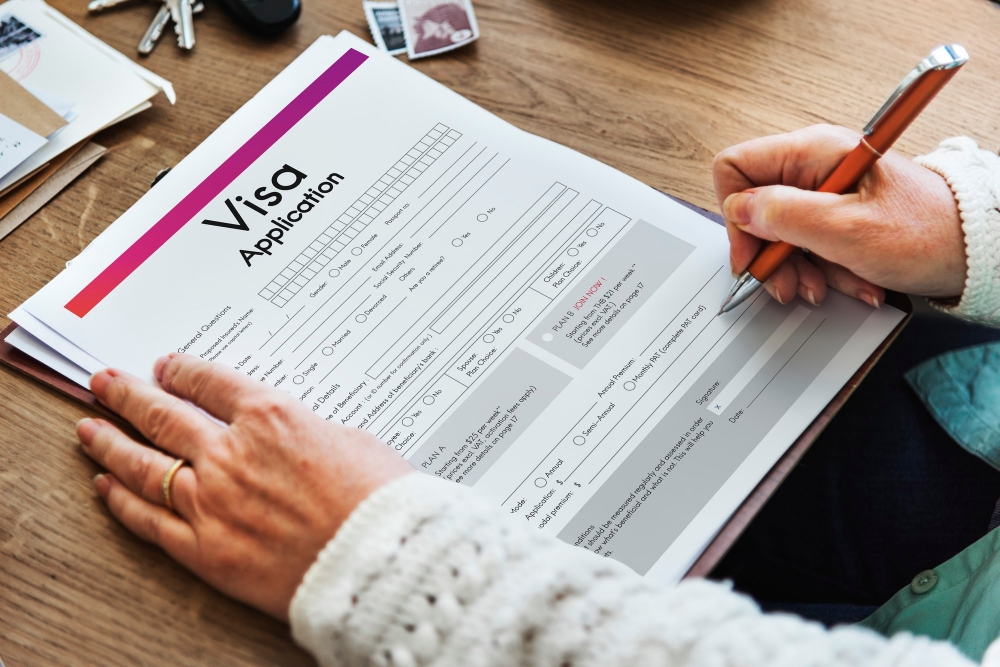
Apply to and receive a letter of acceptance (LOA) from a designated learning institution in Canada. Confirm the institution is on the official DLI list and that the specific program is eligible for a study permit.
Request a PAL from the province where the DLI is located. In Alberta, PAL requests are processed through the institution’s international office. Master’s and doctoral students at public DLIs are exempt from this step as of January 1, 2026.
Prepare proof of financial support, a valid passport, passport-sized photographs, a study plan or personal statement, a police clearance certificate (if required), and medical examination results (if required). IRCC also requires biometrics for most applicants.
Most study permit applications are submitted electronically through the IRCC portal. Answer the eligibility questions, upload all required documents, and pay the $150 CAD application fee plus the $85 CAD biometrics fee.
After submission, IRCC will send a biometrics instruction letter. Attend a designated biometrics collection point to provide fingerprints and a photograph. Biometrics are valid for 10 years.
If approved, IRCC issues a port-of-entry (POE) introduction letter. Present this letter to the border services officer upon arrival in Canada to receive the physical study permit.
Study permit processing times vary by country of application and time of year. Standard applications typically take 8 to 12 weeks. Doctoral applicants and their families may qualify for expedited processing with decisions in approximately 14 days. Check current processing times on the IRCC website before applying, and submit early — particularly for fall semester start dates.
A study permit lawyer at Centobin Law Office in Calgary prepares applications with complete documentation from the outset, reducing the likelihood of processing delays due to information requests or returned applications.
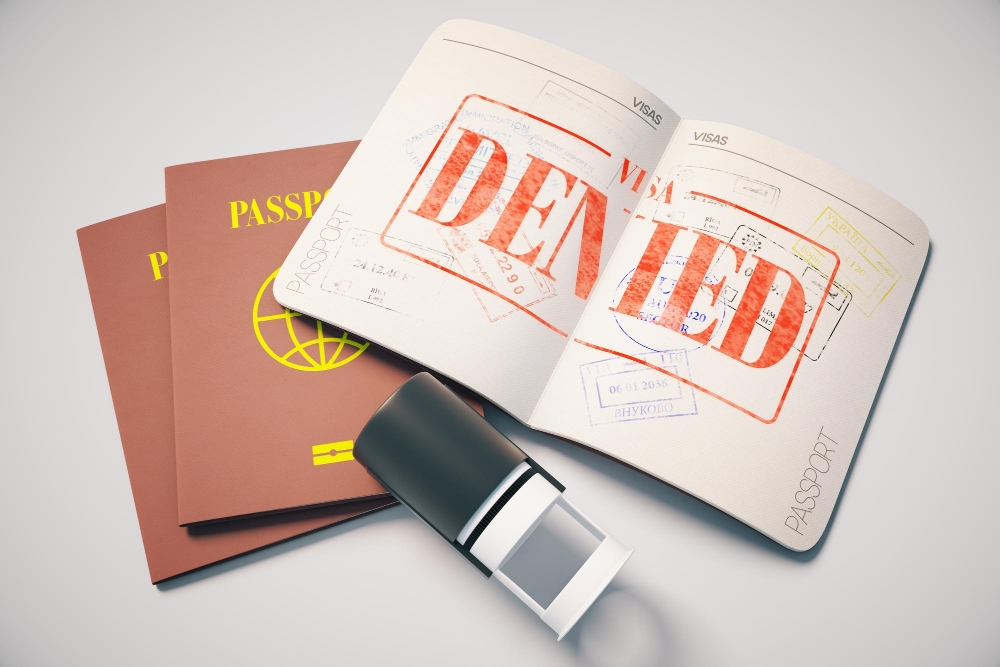
Study permits in Canada are most commonly refused for insufficient proof of funds, an unconvincing study plan, failure to demonstrate intent to leave Canada, missing documentation, or criminal/medical inadmissibility. IRCC officers record detailed reasons in the GCMS, and applicants can request these notes to understand the full basis for the refusal before reapplying.
A study permit refusal in Canada does not permanently bar an applicant from reapplying. A study permit lawyer at Centobin Law Office in Calgary reviews the refusal letter and GCMS officer notes, identifies the specific grounds for denial, and prepares a strengthened reapplication or a judicial review application to address every issue raised by the reviewing officer.
Receiving a study permit refusal can be disorienting, particularly for applicants who invested significant time and money into their application. However, a refusal is not the end of the process. Understanding why the application was refused — and what options exist — is the first step toward a successful outcome.
Study permits in Canada are refused for several recurring reasons. IRCC officers record their reasoning in the Global Case Management System (GCMS), and applicants can request these notes for a more detailed understanding of the refusal than the standard refusal letter provides.
The most common grounds for refusal include: insufficient proof of financial support to cover tuition and living expenses; an unconvincing study plan that does not align with the applicant’s educational or professional background; failure to demonstrate intent to leave Canada at the end of the authorized stay; missing or incomplete documentation including the PAL where required; concerns about the applicant’s travel history or immigration history; and medical or criminal inadmissibility and immigration issues that have not been addressed.
Most refusals stem from weak study plans and insufficient financial documentation — not from eligibility issues. This means the majority of refused applications could have been approved with better preparation. Officers assess study plans not just for content but for internal logic: does the program choice align with the applicant’s past education and career trajectory? Applications that fail this logic test are refused regardless of financial strength.
For applicants from visa-required countries, scrutiny is typically higher, and officers may require more detailed evidence of ties to their home country and a clear rationale for choosing a specific program and institution.

There is no mandatory waiting period before reapplying for a study permit in Canada after a refusal. However, submitting a nearly identical application without addressing the reasons for refusal will almost certainly result in another denial.
A successful reapplication must directly address each ground cited in the refusal letter and the officer’s GCMS notes. This typically involves strengthening financial documentation, revising the study plan to demonstrate a clear, logical connection between the applicant’s background and the chosen program, and providing additional evidence of ties to the home country.
A study permit lawyer at Centobin Law Office in Calgary prepares reapplications with a detailed submission letter — typically four to five pages — that addresses each refusal ground individually and presents supporting evidence in a format that IRCC officers expect. Applications submitted through a lawyer’s representative portal signal to reviewing officers that the case has been professionally assessed.
If a study permit refusal was unreasonable — meaning the officer ignored relevant evidence, misinterpreted the application, or failed to follow procedural fairness requirements — the applicant may apply for judicial review at the Federal Court of Canada.
Strict deadlines apply: 15 days from the date of decision for applications made inside Canada, and 60 days for applications made outside Canada. Judicial review requires representation by a licensed Canadian barrister or solicitor and involves formal court proceedings.
A successful judicial review sets aside the original refusal and returns the application to IRCC for reassessment by a different officer. In strong cases, the Department of Justice may agree to set aside the refusal before the hearing to avoid litigation.

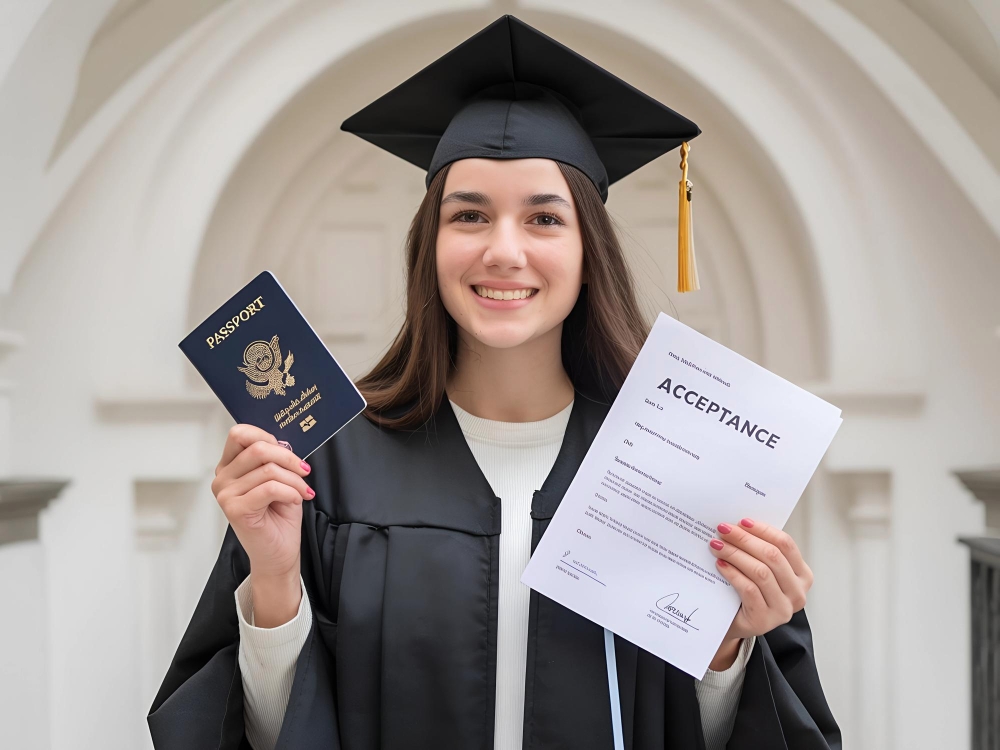
International students with a valid study permit can work off-campus for up to 24 hours per week during academic sessions and unlimited hours during scheduled breaks, as of 2026. No separate work permit is needed for off-campus work. Students in co-op or internship programs need a separate co-op work permit. Spouses may qualify for an open work permit depending on the student’s program level.
International students with a valid study permit in Canada can work off-campus for up to 24 hours per week during regular academic sessions as of 2026. During scheduled academic breaks — such as summer and winter holidays — students may work unlimited hours. No separate work permit is required for off-campus work, provided the student maintains full-time enrolment at a designated learning institution, and the study permit includes a condition allowing work.
Students should confirm their study permit includes the work authorization condition before accepting off-campus employment. Working without authorization can result in a loss of status and affect future immigration applications.
Students enrolled in programs that include a mandatory co-op or internship placement require a separate co-op work permit in addition to their study permit. The co-op or internship must be a certified component of the academic program, and the work cannot exceed 50% of the program's total duration.
Spouses and common-law partners of study permit holders may also be eligible for an open work permit, depending on the student’s level of study and the institution attended. An immigration lawyer at Centobin Law Office in Calgary advises students and their families on eligibility for spousal open work permits and co-op work permits before the need becomes urgent.

A study permit authorizes a foreign national to study at a designated learning institution in Canada. A work permit authorizes a foreign national to work for a specific employer or in a specific occupation in Canada. They are separate documents issued under different streams of the Immigration and Refugee Protection Act, and holding one does not automatically grant the rights of the other.
| Study Permit | Work Permit | |
| Primary purpose | Study at a DLI in Canada | Work for a Canadian employer |
| Prerequisite | Letter of acceptance from a DLI | Job offer or LMIA (in most cases) |
| PAL required (2026) | Yes, for most applicants | No |
| Off-campus work allowed | Up to 24 hrs/week during sessions | Full-time (as per permit conditions) |
| Leads to PGWP | Yes, if the program is PGWP-eligible | No |
| Leads to PR | Via PGWP → Express Entry / AAIP | Via CEC / AAIP directly |
| Spousal open work permit | Depends on program level | Depends on NOC skill level |
Some applicants may qualify for both. Students enrolled in co-op programs hold a study permit and a co-op work permit simultaneously—graduates who receive a PGWP transition from study-permit status to work-permit status.
A study permit lawyer at Centobin Law Office in Calgary helps applicants determine which permit type best matches their situation — and whether a study-first or work-first pathway offers the stronger route to permanent residence in Alberta.
A post-graduation work permit (PGWP) allows international students who completed a program at a Canadian DLI to work in Canada after graduation for up to three years. PGWP eligibility in 2026 depends on program length, level of study, field of study, and institution type. The PGWP provides the Canadian work experience needed to qualify for permanent residence through Express Entry or Alberta’s provincial nominee program.

A post-graduation work permit (PGWP) allows international students who have completed a program at a designated learning institution in Canada to work in Canada after graduation. PGWP eligibility in 2026 depends on several factors, including the level of study, the field of study, and the type of institution attended.
Key eligibility requirements include: the student must have completed a program of at least eight months at a PGWP-eligible DLI; the program must be at the post-secondary level; the student must have maintained full-time status during each academic session (with limited exceptions); the application must be submitted within 180 days of receiving written confirmation of program completion; and the study permit must have been valid at the time of application or within the preceding period.
Since 2024, IRCC has introduced additional eligibility criteria for certain levels of study, including field-of-study requirements for college-level programs and restrictions on programs delivered through curriculum licensing arrangements. Students should confirm their specific program’s PGWP eligibility before submitting a study permit application, as not all programs at designated institutions qualify.
A PGWP provides the Canadian work experience needed to qualify for several permanent residence pathways. International graduates working in Alberta on a PGWP can access:
Canadian Experience Class (CEC) through Express Entry: Graduates with at least one year of skilled work experience in Canada (NOC TEER 0, 1, 2, or 3) may be eligible to apply through the CEC stream, which is processed through the federal Express Entry system.
Alberta Advantage Immigration Program (AAIP): Alberta’s provincial nominee program offers streams specifically for international graduates and workers, including the Alberta Opportunity Stream and the Alberta Express Entry Stream. A provincial nomination adds 600 points to a Comprehensive Ranking System (CRS) score, virtually guaranteeing an invitation to apply.
Category-Based Express Entry Draws: IRCC now conducts targeted draws for specific categories, including healthcare professionals and French-speaking candidates, which may benefit graduates with qualifying work experience in Alberta.
Planning the study-to-PGWP-to-permanent residence pathway from the beginning increases the likelihood of a smooth transition. A study permit lawyer at Centobin Law Office in Calgary advises students on program selection, PGWP eligibility, and long-term immigration strategy before the first application is submitted.
Extend a study permit in Canada by submitting an extension application through the IRCC portal before the current permit expires. Students who apply before the expiry date maintain legal status while awaiting a decision. No new PAL is required if the student stays at the same institution and level of study. If the permit expires before an extension is filed, the student loses status and must apply for restoration within 90 days at an additional cost of $200 CAD.
A study permit extension in Canada must be submitted before the current permit expires. Students who apply for an extension before the expiry date maintain their legal status in Canada while waiting for a decision — a provision known as maintained status or implied status. This means the student can continue studying while the extension application is being processed.

Students generally do not need a new PAL to extend their study permit if they remain at the same designated learning institution and within the same level of study. Changing institutions or moving to a different level of study (for example, from a bachelor’s program to a college diploma) typically requires a new PAL.
Important: If a study permit expires before an extension application is submitted, the student loses their legal status in Canada and must stop studying immediately. The student then has 90 days to apply for status restoration, which carries an additional $200 CAD fee on top of the standard $150 CAD study permit fee. Failing to restore status within 90 days may require the student to leave Canada and reapply from abroad.
A study permit lawyer in Calgary at Centobin Law Office monitors extension deadlines and prepares applications well before expiry to protect the student’s status and ability to continue studying without interruption.
With the study permit process, requirements, and risks now clear, the final question is whether professional legal help would strengthen your specific application — and when it matters most.
Centobin Law Office in Calgary works with students applying to Alberta’s major designated learning institutions — including the University of Calgary, SAIT, Mount Royal University, and Bow Valley College — and understands each institution’s PAL allocation process, documentation requirements, and academic calendar timelines.
Every study permit application prepared by a study permit lawyer at Centobin Law is submitted via a lawyer’s representative portal, accompanied by a detailed submission letter that addresses eligibility requirements, financial documentation, and study plan logic. In these three areas, most applications are refused.
Centobin Law Office in Calgary regularly assists students who have been refused one or more times. The team obtains and reviews GCMS officer notes, identifies the specific grounds for refusal, and builds a reapplication package that directly addresses every concern raised by the reviewing officer.
Study permit services at Centobin Law Office in Calgary extend beyond the initial application. The firm advises on PGWP eligibility, co-op work permit requirements, spousal open work permits, and long-term permanent residence strategy through Express Entry and Alberta’s Provincial Nominee Program. So every decision, from program selection forward, supports the student’s immigration goals.
Not every study permit application requires a lawyer. Straightforward first-time applications from visa-exempt countries with strong financials and a clear study plan can succeed without legal representation. However, specific situations significantly increase the risk of refusal, and these are the cases where a study permit lawyer in Calgary changes the outcome.

After a previous refusal, reapplying without a professional analysis of the GCMS officer's notes and a revised submission letter results in repeat refusals. Each additional refusal creates a negative pattern in the applicant’s IRCC file, making future applications harder to approve. A lawyer identifies exactly what the officer found insufficient and builds the reapplication to address those specific concerns.
Complex financial documentation. Applicants whose funds come from multiple sources, third-party sponsors, business income, or foreign accounts face heightened scrutiny. IRCC officers look for clarity and consistency — not just dollar amounts. A lawyer structures financial evidence to present a coherent funding narrative.
Weak alignment between background and study plan. If the chosen program does not obviously connect to the applicant’s prior education or career, the visa officer will question the applicant’s true intent. A lawyer helps craft a study plan that explains the career logic and pre-empts the most common officer objections.
Applications from visa-required countries. Applicants from countries with historically higher refusal rates face stricter assessment standards. A lawyer prepares applications with the level of documentation and explanation required to overcome heightened scrutiny.
Program changes, transfers, or status issues. Students already in Canada who need to change institutions, move between study levels, or restore expired status face different rules than first-time applicants from abroad. A lawyer ensures the correct process is followed and that PAL requirements are met for the new situation.
When long-term immigration goals depend on the study permit, students planning to use the PGWP-to-PR pathway need their study permit application structured correctly from the beginning — by choosing a PGWP-eligible program at an eligible institution in a field of study that qualifies under current rules. A wrong choice at the study permit stage can close off pathways to permanent residence later.

Study permits require strict documentation. Missing a single required document — including the PAL — results in the application being returned without processing.
The PAL and proof of funds are the two most critical elements of the application. Most returned and refused applications fail on one or both of these requirements.
Canada’s 2026 study permit cap limits the number of new permits to 155,000 nationally. Alberta institutions have fixed PAL allocations that can run out — apply early.
Master’s and doctoral students at public DLIs are exempt from the PAL requirement and the cap as of January 1, 2026.
Study permit refusals are recoverable with a proper strategy. A refusal does not bar reapplication, and there is no mandatory waiting period. Address the officer’s specific concerns.
Each refusal creates a negative pattern in the applicant’s IRCC file. Repeated refusals without meaningful changes make future applications progressively harder to approve.
The PGWP-to-PR pathway starts at the study permit stage. Choosing the wrong program, institution, or field of study can disqualify a student from the post-graduation work permit and close off permanent residence options.
A study permit lawyer in Calgary at Centobin Law Office provides end-to-end support — from the initial application through extensions, PGWPs, and permanent residence strategy.

Study permit processing times for applicants applying from outside Canada typically range from 8 to 12 weeks, depending on the country of application and the time of year. Students applying to doctoral programs at Alberta institutions may qualify for expedited processing with decisions in approximately 14 days. A study permit lawyer in Calgary at Centobin Law Office prepares applications with complete documentation to avoid delays caused by information requests.
A study permit refusal does not permanently prevent an applicant from reapplying. There is no mandatory waiting period. However, a successful reapplication must directly address each ground cited in the refusal letter. A study permit lawyer at Centobin Law Office in Calgary reviews GCMS officer notes and prepares a strengthened reapplication package that targets the specific issues identified by the reviewing officer.
For 2026, a single study permit applicant studying outside Quebec must demonstrate at least $22,895 CAD in available funds, in addition to tuition fees for the first year. Applicants studying in Quebec must show $24,617 CAD. IRCC accepts recent bank statements (covering the last four months), GIC certificates from participating Canadian banks, and evidence of scholarships or institutional funding. A study permit lawyer at Centobin Law Office in Calgary reviews financial documentation to ensure it meets current presentation standards.
Canada’s 2026 study permit cap limits the total number of permits issued to approximately 408,000 nationally, including 155,000 new permits and 253,000 extensions. Provinces, including Albert, receive specific allocation numbers. Once a province’s allocated application spaces are filled, IRCC will not accept additional PAL-required applications from that jurisdiction. Students planning to study in Calgary should begin their application process early to secure a PAL before Alberta’s allocation is exhausted.
International students with a valid study permit in Canada can work off-campus for up to 24 hours per week during academic sessions and unlimited hours during scheduled breaks, as of 2026. No separate work permit is required for off-campus work. Students at Alberta institutions enrolled in programs with mandatory co-op or internship placements need a separate co-op work permit.
Most applicants to college or undergraduate university programs in Alberta need a PAL from their institution. As of January 1, 2026, students enrolling in degree-granting master’s or doctoral programs at public institutions in Alberta — such as the University of Calgary or the University of Alberta — do not require a PAL. Existing study permit holders who are extending to the same institution and at the same level of study are also generally exempt.
A study permit refusal becomes part of the applicant’s immigration file and can be referenced by officers reviewing future applications, including those for visitor visas, work permits, and permanent residence. Repeated refusals without addressing the underlying issues can create a pattern that makes future approvals more difficult. Consulting a study permit lawyer in Calgary before reapplying helps avoid compounding refusal history.
A study permit holder cannot remain in Canada after their permit expires unless they have applied for an extension, a post-graduation work permit, or another immigration status before the expiry date. Students who apply before expiry maintain their status while waiting for a decision. Students in Calgary who miss the extension deadline have 90 days to apply for status restoration, which carries an additional $200 CAD fee.
Hear from Our Satisfied Clients

Davis
This legal team easily guided me through a complicated family law matter. Their team was responsive and knowledgeable and always had my best interests at heart.

Ethan
I needed help with a commercial dispute, and Centobin Law resolved it efficiently. Their attention to detail and commitment to my case was outstanding.
Liam
I was facing criminal charges and didn’t know where to turn. This law firm not only defended my rights but treated me with respect and understanding throughout the process.
Aiden
I couldn’t have asked for better representation during my divorce. Centobin Law truly cared about my situation and fought for my best interests.
Lucas
I was impressed by the way they handled my immigration case. The lawyers were knowledgeable and helped me through every step of the process.
Jack
Centobin Law Office was there for me when I needed legal representation the most. Their team was professional, prompt, and gave me the results I needed.