
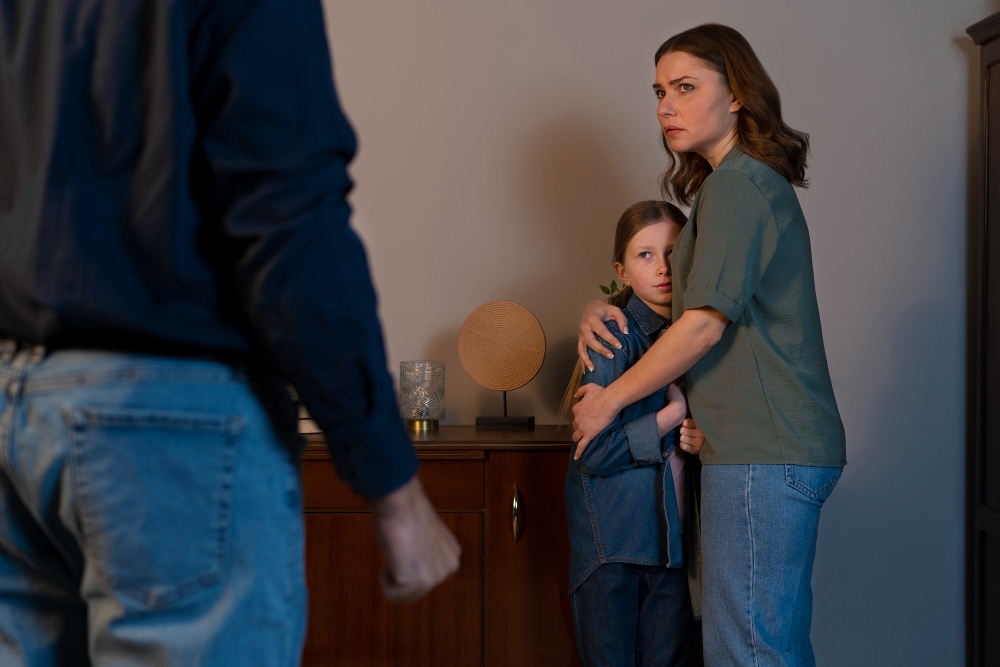
Facing an assault charge in Calgary can be frightening and uncertain, especially if the allegations arise from a heated argument, domestic dispute, or misunderstanding. A criminal charge can affect your employment, family life, and reputation in the community. If you are wondering whether the case can be dismissed, consulting an Assault Lawyer in Calgary early in the process can help you understand your legal options and the likelihood of having charges dropped.
At Centobin Law Office, our Assault Lawyer in Calgary regularly represents individuals charged with simple assault, assault causing bodily harm, domestic assault, and aggravated assault under the Criminal Code of Canada. We understand how the Crown Prosecutor evaluates cases in Alberta and what factors influence decisions to withdraw or stay charges. In this comprehensive guide, we explain when assault charges may be dropped, how the process works in Calgary courts, and what steps we take to protect our clients.
In Canada, only the Crown Prosecutor has the authority to withdraw or stay criminal charges. Even if the complainant (alleged victim) wants to “drop the charges,” the final decision rests with the Crown.
The Crown applies a two-part test:
If either branch of this test is not met, the Crown may withdraw the charge.
As an Assault Lawyer, we focus on demonstrating weaknesses in the evidence or circumstances that make prosecution inappropriate.
While every case is unique, assault charges in Calgary may be dropped for several reasons.
If the evidence does not support a reasonable likelihood of conviction, the Crown may discontinue the prosecution.
Examples include:
We carefully review disclosure to identify evidentiary gaps that weaken the Crown’s case.
Under the Canadian Charter of Rights and Freedoms, you have the right to:
If police violated your Charter rights—for example, through unlawful detention or improper questioning—we may bring a Charter application. If key evidence is excluded, the Crown may withdraw the charge.
Section 34 of the Criminal Code allows individuals to use reasonable force to defend themselves or others.
If the evidence supports self-defence, the Crown may determine that prosecution is unlikely to succeed.
We analyze:
Strong self-defence arguments can significantly impact the outcome.
In domestic assault cases, it is common for complainants to later change their statement or request that charges be dropped.
However, recanting does not automatically result in withdrawal. The Crown may proceed if other evidence supports the charge, such as:
As your defence counsel, we assess whether the recantation undermines the reliability of the original complaint.
For first-time offenders or minor incidents, the Crown may offer alternative measures programs.
These can include:
Successful completion may result in charges being withdrawn.
At Centobin Law Office, we negotiate proactively to pursue diversion options when appropriate.
Instead of withdrawing a charge, the Crown may enter a stay of proceedings.
A stay pauses the prosecution. If the Crown does not resume the case within one year, the charge effectively ends.
A stay can occur due to:
A stayed charge is often considered a favourable outcome.
The timeline varies depending on:
In some cases, charges may be withdrawn early after disclosure review. In others, withdrawal may occur closer to trial.
Prompt legal representation increases the likelihood of early resolution.
If the Crown decides to proceed, your case will move through:
Penalties for assault in Alberta can include:
Avoiding a conviction is often the primary objective.
Even before trial, assault charges can affect:
Domestic assault allegations can also involve no-contact orders that impact living arrangements and parenting time.
This is why early advice from an Assault Lawyer in Calgary is essential.
At Centobin Law Office, we take a strategic and proactive approach.
We:
Our experience in Calgary courts allows us to anticipate how prosecutors assess assault cases.
As an Assault Lawyer, we understand both the legal and practical realities of criminal proceedings in Alberta.
Not automatically. The Crown may seek an adjournment or rely on other evidence.
No. If you are under a no-contact order, any communication may result in additional charges.
You should never plead guilty without fully understanding the consequences. Legal advice is critical before making any decision.
We understand how stressful and overwhelming assault allegations can be. Our team provides:
We serve clients throughout Calgary and surrounding communities, protecting their rights under the Criminal Code of Canada and the Charter.
If you are facing assault charges and want to explore the possibility of having them dropped, contact us immediately at +1 403-249-1733.
Assault charges can be dropped in Calgary, but the decision depends on evidence, public interest, and legal strategy. Weak evidence, Charter violations, credible self-defence claims, or successful diversion programs may lead to withdrawal or a stay of proceedings. Early intervention from an experienced Assault Lawyer in Calgary can significantly improve your chances of a favourable outcome.
At Centobin Law Office, we act as your trusted Assault Lawyer, committed to protecting your rights, reputation, and future. Call us today at +1 403-249-1733 to discuss your case and explore your legal options in Calgary.